
7 Signs You May Be a Candidate for SoftWave Therapy in Loveland, Colorado
Is Persistent Pain Keeping You from Living Your Best Life?
Pain doesn't always happen because of a major injury. Sometimes it develops gradually—from repetitive movements, years of physical activity, aging, or everyday wear and tear. When discomfort lingers, it can affect everything from work and exercise to sleep and daily routines.
If you've been searching for a conservative treatment option that doesn't involve surgery or lengthy recovery times, SoftWave Therapy in Loveland, Colorado may be worth exploring.
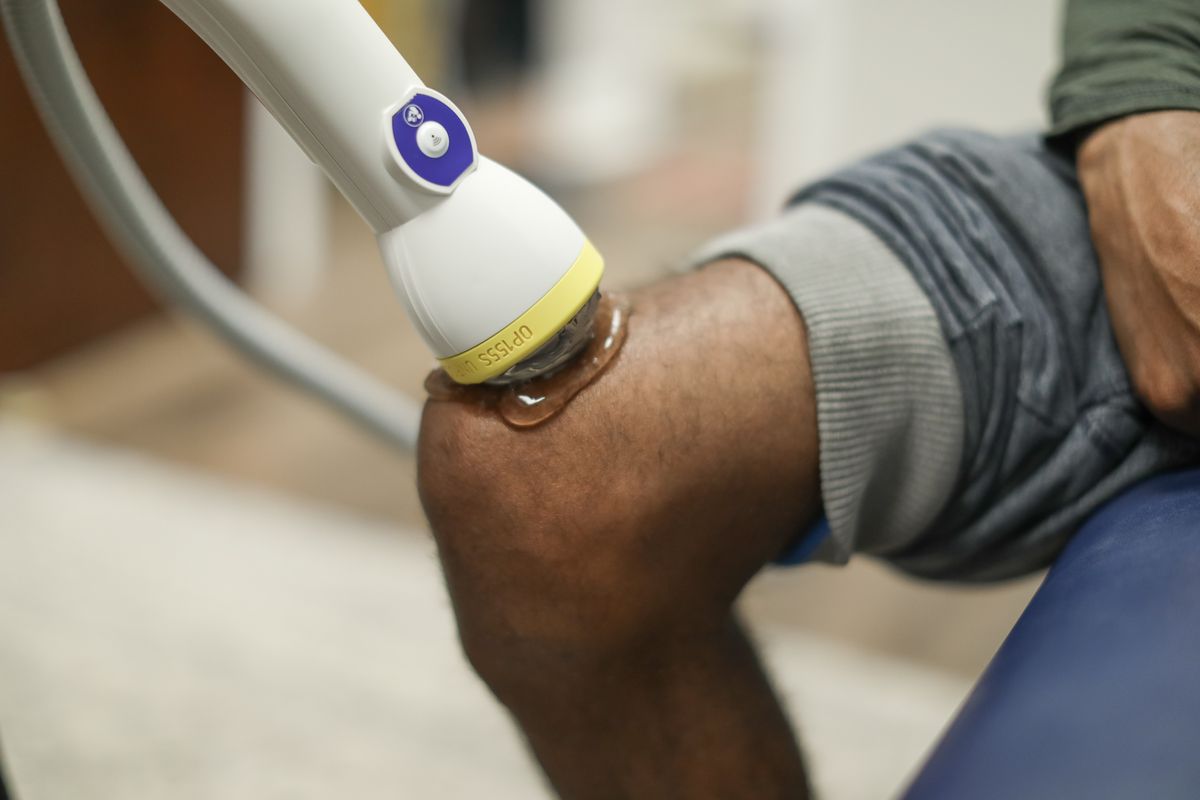
SoftWave Therapy uses advanced acoustic wave technology to stimulate biological responses within soft tissues, supporting the body's natural healing processes while helping improve mobility and function.
1. Your Pain Has Lasted Longer Than You Expected
Most minor muscle and joint injuries improve with time.
If your symptoms have continued for weeks or months despite rest, stretching, or other conservative care, it may be time for a more comprehensive evaluation.
SoftWave Therapy is often incorporated into treatment plans for chronic musculoskeletal conditions when appropriate.
2. You Want to Avoid Surgery if Possible
Surgery is sometimes necessary—but not every condition requires it.
Many patients prefer to explore conservative options before considering invasive procedures. Depending on your diagnosis, SoftWave Therapy may become part of a broader treatment strategy focused on improving movement and supporting natural tissue recovery.
3. You're Active and Want to Stay That Way
Loveland residents enjoy:
Hiking
Running
Cycling
Pickleball
Tennis
Weightlifting
Skiing
Golf
CrossFit
Recreational sports
When pain begins limiting your activity, finding an effective conservative treatment becomes a priority.
SoftWave Therapy is commonly used alongside rehabilitation exercises and chiropractic care to help active individuals return to doing what they love.
4. You Have a Tendon or Ligament Injury
Some of the most common reasons patients inquire about SoftWave Therapy include:
Plantar fasciitis
Achilles tendon irritation
Tennis elbow
Golfer's elbow
Rotator cuff irritation
Patellar tendon discomfort
Chronic tendon overuse injuries
Extracorporeal shock wave therapy has been studied extensively for several chronic tendon conditions, making it one of the better-supported applications of this technology.
5. You Want a Drug-Free Treatment Option
Many people want to reduce their reliance on pain medications whenever appropriate.
SoftWave Therapy is designed to encourage the body's natural healing response rather than simply masking symptoms. It is frequently incorporated into comprehensive treatment plans that may also include therapeutic exercise, chiropractic care, and mobility training.
6. You Don't Want Weeks of Recovery
One reason patients appreciate SoftWave Therapy is its convenience.
Most appointments take only a short time, and many individuals return to their regular daily activities afterward. Your provider will explain any activity modifications that may be appropriate based on your condition.
7. You're Looking for a Personalized Treatment Plan
Technology alone doesn't solve problems.
An experienced provider evaluates your movement, symptoms, health history, and goals before recommending treatment. SoftWave Therapy is often one component of a personalized care plan designed to improve function and support long-term recovery.
How Does SoftWave Therapy Work?
SoftWave Therapy delivers broad-focused acoustic waves into targeted tissues.
Researchers believe these mechanical waves can stimulate several biological responses, including:
Increased local circulation
Healthy inflammatory signaling
Collagen remodeling
Angiogenesis (new blood vessel formation)
Activation of normal tissue repair mechanisms
These effects are intended to support the body's own healing processes rather than replace them.
What Can SoftWave Therapy Be Used For?
Your provider may consider SoftWave Therapy for a variety of musculoskeletal conditions, including:
Shoulder pain
Hip discomfort
Knee pain
Heel pain
Plantar fasciitis
Tendon injuries
Muscle strains
Sports injuries
Chronic soft tissue conditions
Joint discomfort
Not every condition is appropriate for SoftWave Therapy, which is why an individual evaluation is essential.
Why Patients in Loveland Choose Conservative Care First
Residents throughout Northern Colorado lead active lives.
Whether you're chasing your kids, training for your next race, working a physically demanding job, or simply trying to stay mobile as you age, conservative treatment options can play an important role in helping you remain active.
SoftWave Therapy offers a modern approach that fits well within a comprehensive musculoskeletal care program.
Schedule a SoftWave Consultation in Loveland, Colorado
If you've been living with persistent pain, recurring injuries, or limited mobility, you don't have to simply accept it as your new normal.
A professional evaluation can help determine whether SoftWave Therapy is an appropriate option for your condition and whether it should be combined with chiropractic care, rehabilitation exercises, or other conservative treatments.
Taking the first step toward understanding your options may help you move more comfortably and get back to the activities you enjoy most.
Frequently Asked Questions
Is SoftWave Therapy painful?
Most patients describe the treatment as a series of rapid pulses or tapping sensations. Your provider can adjust the intensity based on your comfort level.
How many sessions are recommended?
Treatment recommendations vary depending on the condition being addressed and your provider's evaluation.
Is there any downtime?
Most patients resume their normal routine after treatment, although your provider may recommend temporary activity modifications depending on the condition being treated.
Is SoftWave Therapy covered by insurance?
Coverage varies by insurance plan and provider. Your clinic can help explain available payment options and answer questions about treatment costs.
Looking for SoftWave Therapy in Loveland, Colorado?
If you're searching for a non-invasive option to support recovery from musculoskeletal pain or injury, schedule a consultation with a qualified provider to learn whether SoftWave Therapy is right for you. An individualized treatment plan can help you pursue your mobility and wellness goals with confidence.