
Can SoftWave Therapy Help You Recover Faster? What Patients in Loveland, Colorado Should Know
When Rest Isn't Enough
Most people expect aches and pains to improve with time. But what happens when weeks turn into months, and your shoulder still hurts every time you reach overhead? Or your heel still aches with every first step in the morning?
Persistent pain can make even simple activities frustrating. Fortunately, advances in non-invasive technology have created new options for people looking to support their body's natural recovery process.
One treatment gaining attention throughout Northern Colorado is SoftWave Therapy—an acoustic wave technology used by healthcare providers as part of conservative treatment plans for many musculoskeletal conditions.
What Is SoftWave Therapy?
SoftWave Therapy is an advanced form of acoustic wave therapy that delivers high-energy mechanical waves into soft tissues. These waves create a biological response that may encourage the body's natural healing processes.
Research suggests acoustic wave therapy can help stimulate:
Improved local circulation
Healthy inflammatory responses
Collagen production and remodeling
Formation of new blood vessels (angiogenesis)
Cellular activity involved in tissue repair
Rather than simply covering up discomfort, SoftWave Therapy is intended to support the body's own recovery mechanisms.
Why People in Loveland Are Choosing SoftWave Therapy
Colorado is an active place to live.
From hiking and mountain biking to skiing, weightlifting, pickleball, and long days spent outdoors, our joints and muscles experience constant demands.
Many patients seek SoftWave Therapy because they want to continue enjoying an active lifestyle without immediately turning to more invasive treatment options.
SoftWave Therapy is commonly included in personalized care plans designed to improve movement, reduce limitations, and support recovery.
Common Conditions That May Benefit From Conservative Acoustic Wave Therapy
Following a comprehensive evaluation, your healthcare provider may recommend SoftWave Therapy as part of treatment for conditions such as:
Plantar Fasciitis
Heel pain is one of the most common complaints among active adults. Acoustic wave therapy has been widely studied as a conservative option for chronic plantar fasciitis.
Shoulder Pain
Whether discomfort comes from repetitive use or chronic irritation, improving shoulder mobility is often a key goal of treatment.
Tennis and Golfer's Elbow
Repetitive strain injuries affecting the elbow can interfere with work, sports, and daily activities.
Knee Pain
Certain tendon and soft tissue conditions around the knee may respond well when SoftWave Therapy is incorporated into a broader rehabilitation program.
Hip Pain
Soft tissue irritation surrounding the hip can impact walking, exercise, and sleep.
Sports Injuries
Athletes often seek conservative treatments that allow them to continue progressing toward their performance goals while supporting tissue recovery.
What Makes SoftWave Therapy Different?
Unlike treatments that focus solely on symptom management, SoftWave Therapy is designed to stimulate biological activity within the affected tissue.
Patients often appreciate that treatment is:
Completely non-invasive
Drug-free
Performed in-office
Quick and convenient
Personalized to each individual
Most appointments last only a few minutes, and many patients return to their normal daily routine immediately afterward.
Your First Visit
Every successful treatment begins with understanding the source of your symptoms.
During your consultation, your provider will:
Review your medical history
Discuss your pain and functional limitations
Perform a movement assessment
Identify potential areas contributing to your symptoms
Determine whether SoftWave Therapy is appropriate
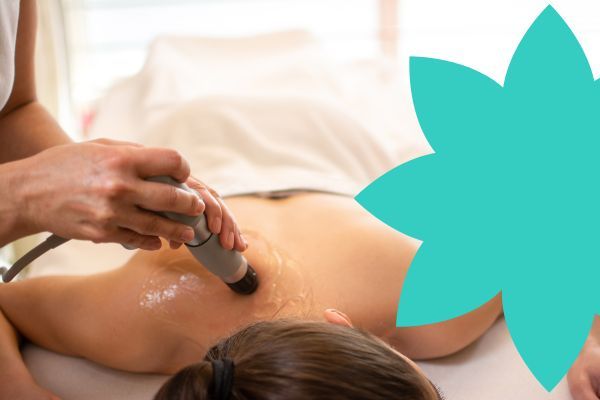
If recommended, treatment is performed using a handheld applicator that delivers acoustic waves through the skin using a conductive gel.
Recovery Is About More Than One Treatment
While SoftWave Therapy is an innovative technology, lasting improvement often comes from addressing the bigger picture.
Your provider may combine SoftWave Therapy with:
Chiropractic care
Therapeutic exercises
Mobility training
Stretching programs
Strengthening exercises
Lifestyle recommendations
This comprehensive approach helps support long-term function—not just short-term symptom relief.
Frequently Asked Questions
Is SoftWave Therapy painful?
Most patients describe the sensation as rapid pulses or tapping against the skin. Some treatment areas may be more sensitive than others, but the intensity can typically be adjusted for comfort.
How many treatments are recommended?
The number of sessions varies depending on your condition, how long you've had symptoms, and your provider's clinical assessment.
Is there downtime?
Most people resume normal daily activities after treatment. Your provider may recommend temporary activity modifications depending on your condition.
Can SoftWave Therapy replace surgery?
Every case is different. While SoftWave Therapy may be considered as part of conservative care for some conditions, it is not a replacement for surgery when surgery is medically necessary. Your provider will discuss the treatment options that best fit your diagnosis.
Serving Loveland and Northern Colorado
If you're searching for SoftWave Therapy in Loveland, Colorado, choosing an experienced provider is an important first step.
Our goal is to help patients understand their treatment options, improve movement, and support recovery through individualized, evidence-informed care.
Whether you're recovering from a sports injury, managing chronic tendon pain, or looking for a non-invasive option to support your mobility, SoftWave Therapy may be an appropriate addition to your personalized treatment plan.
Ready to Take the Next Step?
If pain has been slowing you down, schedule a consultation to learn whether SoftWave Therapy is right for you. Together, we'll create a treatment plan focused on helping you move better, recover confidently, and return to the activities you enjoy most.