
You've rested. You've stretched. You've taken time away from the activities you enjoy. But the same nagging pain keeps coming back.
Persistent musculoskeletal pain can be frustrating, especially when it begins interfering with your workouts, work, hobbies, or everyday movement. For people searching for a conservative option in Northern Colorado, SoftWave Therapy in Loveland, Colorado offers a non-invasive approach that may help support the body's natural healing response.
Rather than simply focusing on temporary symptom relief, SoftWave Therapy uses acoustic wave technology to stimulate biological responses in targeted tissues.
Why Do Some Injuries Take So Long to Heal?
The body has an impressive ability to repair itself, but recovery doesn't always happen as quickly as we'd like.
Several factors can contribute to persistent discomfort, including:
Repetitive stress
Overuse injuries
Previous injuries
Tendon irritation
Limited mobility
Physically demanding work
Athletic activity
Age-related tissue changes
Sometimes people also begin changing the way they move to avoid discomfort. Over time, these compensations can place additional stress on other areas of the body.
That's why identifying the source of the problem is an important part of developing an effective treatment plan.
What Is SoftWave Therapy?
SoftWave Therapy uses acoustic waves that travel into targeted areas of the body.
These mechanical waves are intended to stimulate biological responses associated with the body's normal repair processes.
Research into extracorporeal shock wave therapy has investigated effects including:
Increased local circulation
New blood vessel formation
Collagen remodeling
Cellular responses associated with tissue repair
Changes in pain signaling
Support for normal inflammatory processes
SoftWave Therapy is non-invasive and does not require incisions or injections.
Where Is SoftWave Therapy Commonly Used?
Following an evaluation, providers may consider acoustic wave therapy as part of conservative care for certain musculoskeletal problems.
Common areas and conditions include:
Plantar Fasciitis and Heel Pain
Persistent heel pain can make walking, exercising, and even standing uncomfortable. Shock wave therapy has been studied extensively for chronic plantar fasciitis.
Achilles Tendon Problems
Running, jumping, and repetitive activity can place significant stress on the Achilles tendon.
Tennis and Golfer's Elbow
You don't have to play tennis or golf to develop these problems. Repetitive gripping, lifting, and workplace movements can also contribute to elbow tendon irritation.
Shoulder Pain
Shoulder problems can make everything from lifting weights to reaching into a cabinet difficult.
Knee and Patellar Tendon Pain
Active adults may develop persistent tendon-related discomfort around the knee, particularly following repetitive running, jumping, or training.
A healthcare provider should evaluate persistent pain to determine its cause and whether SoftWave Therapy is appropriate.
SoftWave Therapy for Colorado's Active Community
Loveland and Northern Colorado are home to people who rarely sit still.
One weekend might involve hiking. The next could mean mountain biking, skiing, golfing, running, pickleball, or spending several hours working in the yard.
That active lifestyle is one of the best parts of living in Colorado—but it can also put significant demands on the body.
SoftWave Therapy may be incorporated into a broader recovery program for active individuals who want to address persistent musculoskeletal problems while working toward returning to the activities they enjoy.
What Does a SoftWave Appointment Look Like?
Treatment begins with an evaluation.
Your provider will discuss your symptoms, health history, activity level, and goals before determining whether SoftWave Therapy is appropriate.
During treatment:
Conductive gel is applied to the skin.
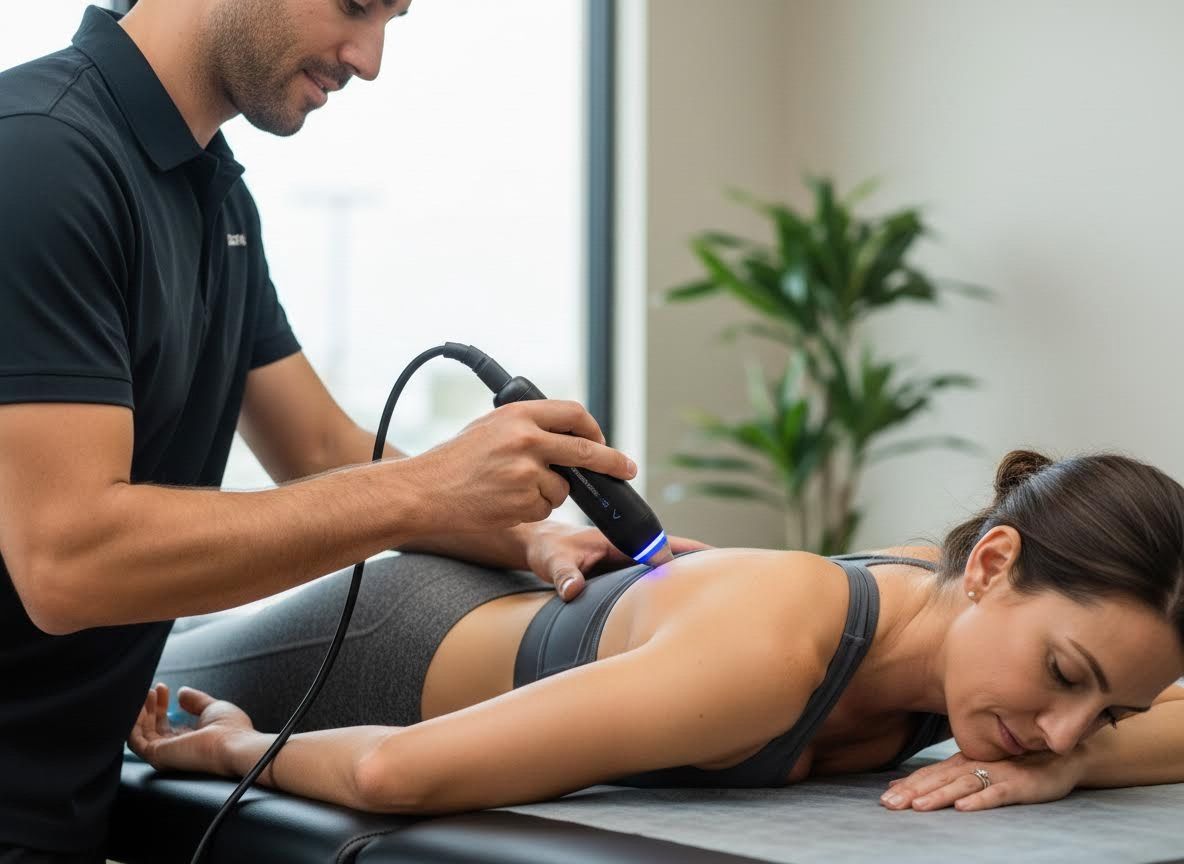
A handheld SoftWave applicator is positioned over the treatment area.
Acoustic waves are delivered into the targeted tissues.
Your provider adjusts treatment according to the area being addressed and your response.
Appointments are generally brief, and SoftWave Therapy does not require surgical recovery time.
SoftWave Therapy + Chiropractic Care
SoftWave Therapy can also be incorporated into a more comprehensive chiropractic and rehabilitation program.
Depending on the patient, a treatment plan may include:
Chiropractic adjustments
SoftWave Therapy
Mobility exercises
Strengthening
Stretching
Soft tissue techniques
Movement education
Lifestyle and activity recommendations
This approach allows the provider to look beyond the location of the discomfort and consider movement, function, and other factors that may be contributing to the problem.
Do You Have to Be an Athlete?
Absolutely not.
While athletes frequently experience overuse injuries, persistent musculoskeletal discomfort can affect almost anyone.
SoftWave Therapy may be considered for:
Construction and trade professionals
Office workers
Healthcare workers
Parents
Recreational athletes
Runners and cyclists
Weightlifters
Golfers
Active older adults
People with physically demanding jobs
The common goal is often the same: move more comfortably and get back to normal activities.
When Should You Have Persistent Pain Evaluated?
Consider scheduling an evaluation if discomfort:
Continues for several weeks
Frequently returns
Limits your range of motion
Interferes with exercise
Makes work difficult
Causes you to change how you move
Prevents you from participating in activities you enjoy
Persistent pain can have many different causes, so proper evaluation is important before deciding on a treatment.
Frequently Asked Questions About SoftWave Therapy
Does SoftWave Therapy hurt?
Patients may experience tapping, pulsing, or sensitivity during treatment, particularly over irritated areas. Individual experiences vary.
How many treatments will I need?
There isn't one treatment schedule appropriate for everyone. Recommendations depend on the condition, medical history, response to treatment, and provider's assessment.
Is SoftWave Therapy invasive?
No. Treatment is performed externally through the skin without surgical incisions.
Can I go back to work afterward?
SoftWave Therapy generally does not involve the recovery period associated with surgery. Your provider can give you specific recommendations regarding exercise and other activities following treatment.
Is SoftWave Therapy right for every type of pain?
No. Pain can result from many different conditions, and SoftWave Therapy isn't appropriate for everyone. An evaluation is necessary to determine the cause of your symptoms and the appropriate treatment options.
Find SoftWave Therapy in Loveland, Colorado
When persistent pain keeps returning, continuing to ignore it isn't always the best solution.
If you're looking for SoftWave Therapy in Loveland, Colorado, a professional evaluation can help identify what's contributing to your discomfort and determine whether acoustic wave therapy could be incorporated into your treatment plan.
Whether your goal is getting back to the gym, hiking Colorado trails, playing golf, working comfortably, or simply moving through your day with fewer limitations, the first step is understanding what's causing the problem.
Schedule a SoftWave Therapy Consultation in Loveland
Ready to explore your options?
Schedule a consultation with our Loveland clinic to learn more about SoftWave Therapy and whether it may be appropriate for your needs.
Move better. Stay active. Get back to doing what you love.