
Why Mobility Matters: How SoftWave Therapy May Help You Move Better in Loveland, Colorado
Movement Is One of the Best Indicators of Overall Health
Think about how often you move throughout the day.
Getting out of bed, climbing stairs, reaching into a cabinet, carrying groceries, exercising, playing with your children, or walking your dog all require healthy joints, muscles, tendons, and ligaments working together.
When pain or stiffness limits those movements, everyday tasks become more difficult—and over time, reduced mobility can begin affecting your overall quality of life.
For many people in Loveland and Northern Colorado, SoftWave Therapy has become part of a comprehensive, non-invasive approach to improving movement and supporting the body's natural healing process.
What Is Mobility?
Mobility is more than flexibility.
It refers to your body's ability to move through a full range of motion with strength, stability, and control.
Healthy mobility allows you to:
Walk comfortably
Bend without pain
Reach overhead
Exercise safely
Maintain balance
Perform daily activities with confidence
When mobility decreases, your body often begins compensating, which may place additional stress on nearby muscles and joints.
Why Mobility Declines
Mobility can gradually decrease for many reasons, including:
Previous Injuries
Old injuries can leave behind stiffness or altered movement patterns that continue long after the initial pain has improved.
Repetitive Motion
Whether you work at a computer or perform physical labor, repeating the same movements day after day can contribute to muscle imbalances and soft tissue irritation.
Aging
As we age, changes in muscle strength, tendon health, and joint flexibility can influence how easily we move.
Inactivity
Extended periods of sitting or reduced physical activity can lead to stiffness and reduced range of motion.
Where Does SoftWave Therapy Fit In?
SoftWave Therapy is a non-invasive treatment that uses acoustic wave technology to stimulate biological activity within soft tissues.
Research suggests these acoustic waves may support:
Increased local circulation
Healthy tissue remodeling
Collagen production
Formation of new blood vessels
Cellular activity associated with tissue repair
Because movement limitations often involve muscles, tendons, ligaments, and other soft tissues, healthcare providers may incorporate SoftWave Therapy into broader treatment plans designed to improve function.
Common Areas Where Mobility Is Reduced
Many patients seek treatment because they notice difficulty moving in specific areas of the body.
Shoulders
Reaching overhead, lifting, or even putting on a jacket can become uncomfortable.
Knees
Stiffness may make climbing stairs or standing from a seated position more difficult.
Hips
Limited hip mobility can affect walking, running, and balance.
Feet
Conditions such as plantar fasciitis may make walking painful, especially first thing in the morning.
Elbows
Repetitive use injuries can limit gripping, lifting, and everyday activities.
A Comprehensive Approach to Better Movement
While SoftWave Therapy is an innovative technology, improving mobility often requires more than one treatment.
Your provider may recommend combining SoftWave Therapy with:
Chiropractic adjustments
Stretching programs
Therapeutic exercises
Strength training
Soft tissue therapy
Postural education
Activity modifications
Together, these therapies aim to improve how your body moves—not just how it feels.
Who May Benefit?
SoftWave Therapy may be appropriate for individuals who:
Experience chronic stiffness
Want to stay active as they age
Are recovering from a sports injury
Have tendon or ligament irritation
Perform repetitive work
Want to explore non-invasive treatment options before considering more invasive procedures
A consultation with a qualified healthcare provider can help determine whether SoftWave Therapy is right for your situation.
What to Expect During a Visit
Your appointment begins with a conversation about your symptoms and goals.
Your provider will evaluate:
Range of motion
Functional movement
Areas of tenderness
Activity level
Health history
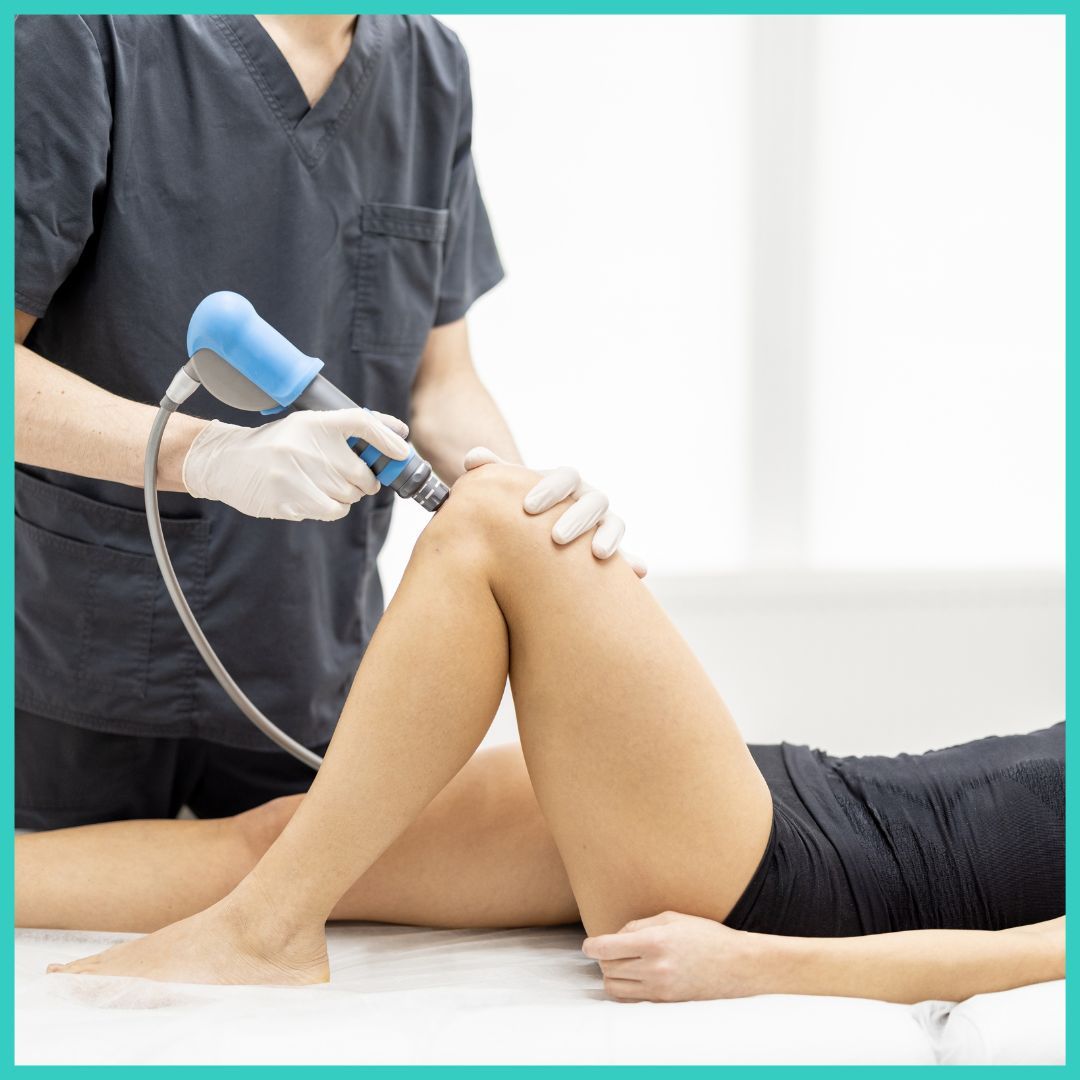
If SoftWave Therapy is recommended, acoustic waves are delivered to the affected area using a handheld device and conductive gel. Most sessions are completed in approximately 10 to 20 minutes.
Why Loveland Residents Prioritize Movement
Living in Colorado means taking advantage of everything the outdoors has to offer.
Whether you're hiking at Devil's Backbone, cycling local trails, skiing, gardening, golfing, or simply enjoying walks around Lake Loveland, maintaining mobility allows you to continue doing the things you love.
Many patients choose conservative care because their goal isn't simply to reduce discomfort—it's to move better for years to come.
Experience SoftWave Therapy in Loveland, Colorado
If you're searching for SoftWave Therapy in Loveland, Colorado, our clinic is committed to helping you achieve lasting improvements in movement through personalized, evidence-informed care.
Every patient receives an individualized evaluation and treatment plan designed around their goals, lifestyle, and condition.
Schedule Your Consultation
Better movement begins with understanding what's limiting it.
Contact our Loveland office today to schedule your consultation and learn whether SoftWave Therapy may be an appropriate part of your personalized care plan. Together, we'll help you move with greater confidence, comfort, and freedom.